
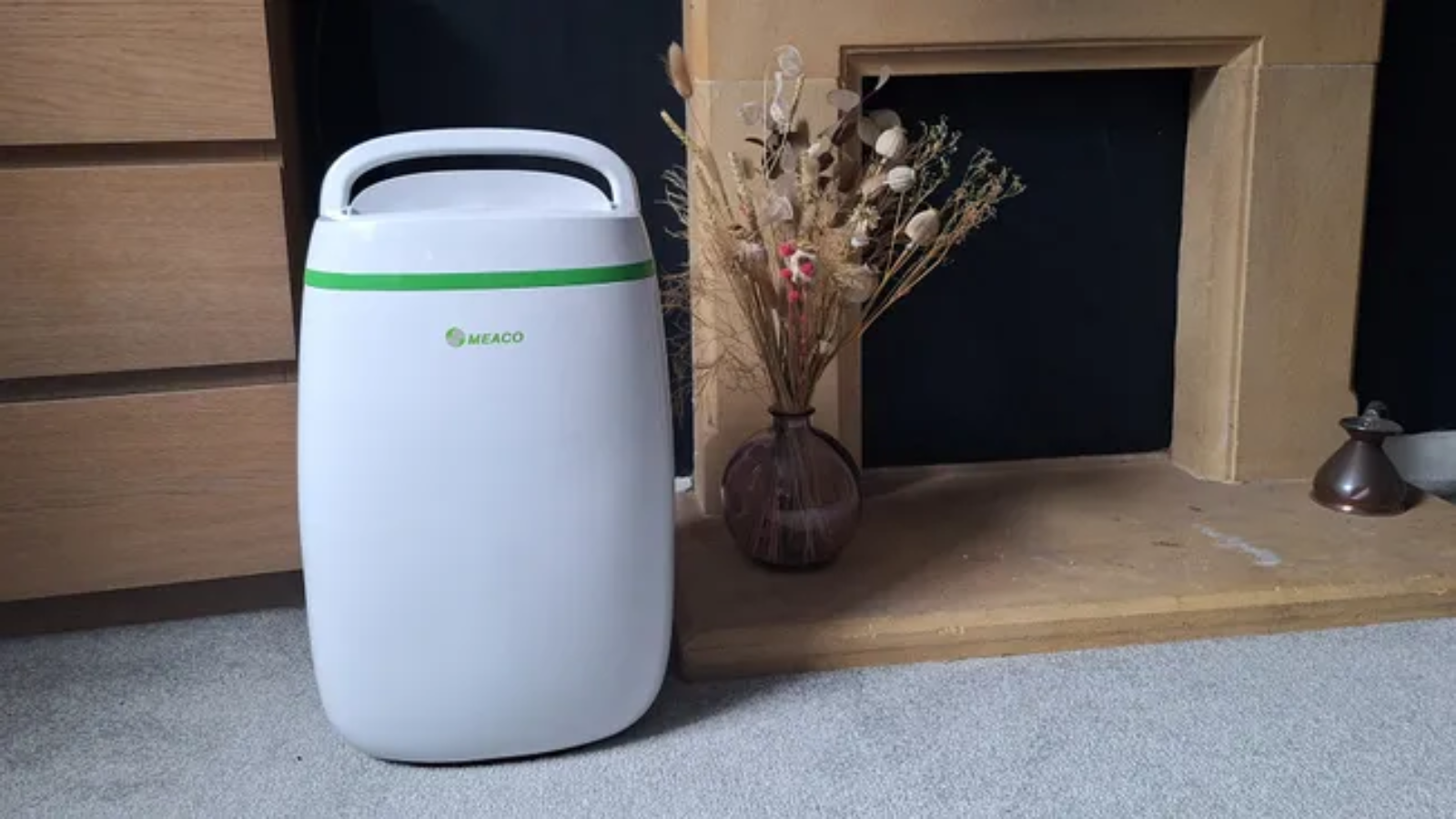
When winter arrives, most homeowners think about using a humidifier to combat dry indoor air. But in some homes, a dehumidifier can actually be just as important.
If you’ve noticed condensation on your windows, musty smells, or damp walls during the colder months, removing excess moisture may improve both comfort and indoor air quality. However, running a dehumidifier when your home’s air is already dry can create new problems, including irritated skin, dry sinuses, and higher energy bills. Experts recommend checking your home’s humidity levels before deciding whether a dehumidifier is necessary.
Why Can Homes Become Humid in Winter?
Although outdoor air is generally colder and drier during winter, indoor humidity can still increase due to everyday activities such as:
- Cooking
- Taking hot showers
- Drying clothes indoors
- Poor ventilation
- Tightly sealed, energy-efficient homes
When warm indoor air meets cold windows or exterior walls, moisture condenses into water droplets. Over time, this can lead to mold, mildew, and even structural damage if left untreated.
Benefits of Using a Dehumidifier in Winter
1. Reduces Condensation
One of the biggest advantages is minimizing condensation on:
- Windows
- Exterior walls
- Glass doors
- Window frames
Reducing condensation helps protect paint, wood, and insulation from long-term moisture damage.
2. Helps Prevent Mold and Mildew
Excess humidity creates an ideal environment for mold growth.
Running a dehumidifier can lower indoor moisture levels, reducing the risk of:
- Mold
- Mildew
- Musty odors
- Dust mites
This is especially helpful for basements, bathrooms, laundry rooms, and other damp areas.
3. Makes Your Home Feel Warmer
Dry air is generally easier to heat than damp air.
Lower humidity can make indoor spaces feel more comfortable, which may allow some households to reduce thermostat settings slightly and save on heating costs.
4. Improves Indoor Air Quality
By reducing moisture that encourages mold and allergens, a dehumidifier can contribute to healthier indoor air—particularly for people sensitive to mold or dust mites.
Drawbacks of Using a Dehumidifier in Winter
1. Air Can Become Too Dry
This is the most common issue.
If humidity drops below about 30–40%, you may experience:
- Dry skin
- Chapped lips
- Static electricity
- Dry eyes
- Irritated throat
- Sinus discomfort
Wooden furniture and houseplants may also be affected by overly dry air.
2. Compressor Models Lose Efficiency in Cold Rooms
Most standard compressor dehumidifiers perform best in heated rooms.
In colder spaces such as:
- Garages
- Basements
- Conservatories
their coils may freeze, reducing efficiency. For these environments, experts often recommend desiccant dehumidifiers, which are designed to work better at lower temperatures.
3. Increased Electricity Usage
A dehumidifier consumes electricity, and continuous operation can increase your utility bill.
Modern models with built-in humidistats help by switching off automatically when the desired humidity level is reached, improving energy efficiency.
4. You May Not Need One
If your home is:
- Well ventilated
- Free from condensation
- Free from mold
- Already below 40% humidity
then using a dehumidifier may offer little benefit and could make your indoor environment less comfortable.
What Is the Ideal Indoor Humidity Level?
Most indoor air quality experts recommend maintaining relative humidity between 30% and 50% during winter.
General guideline:
| Humidity | Recommendation |
|---|---|
| Below 30% | Air is too dry—consider a humidifier instead |
| 30–50% | Ideal indoor range |
| 50–60% | Monitor humidity levels |
| Above 60% | Consider using a dehumidifier |
A simple hygrometer—or the built-in sensor on many modern dehumidifiers—can help you monitor indoor humidity accurately.
Signs Your Home Needs a Dehumidifier
A dehumidifier may be worth using if you notice:
- Foggy or wet windows
- Water droplets on walls
- Musty odors
- Mold growth
- Damp basements
- Peeling paint
- Excess moisture after cooking or showering
These are common indicators that indoor humidity is too high.
Alternatives Before Buying a Dehumidifier
Sometimes simple changes are enough to manage moisture:
- Use kitchen and bathroom exhaust fans.
- Open windows briefly after cooking or showering.
- Avoid drying laundry indoors when possible.
- Repair plumbing leaks promptly.
- Improve insulation and ventilation.
These steps can reduce humidity without relying solely on a dehumidifier.
Which Type of Dehumidifier Is Best for Winter?
Compressor Dehumidifier
Best for:
- Heated living rooms
- Bedrooms
- Offices
Pros:
- Energy-efficient in warm environments
- Widely available
Cons:
- Less effective in cold rooms
Desiccant Dehumidifier
Best for:
- Basements
- Garages
- Conservatories
- Cold utility rooms
Pros:
- Performs well at low temperatures
- Effective in winter
Cons:
- Typically uses more electricity than compressor models.
Final Verdict
Using a dehumidifier in winter isn’t a one-size-fits-all solution. If your home suffers from condensation, dampness, mold, or consistently high indoor humidity, a dehumidifier can improve comfort, protect your property, and enhance indoor air quality.
However, if your home’s humidity is already low, running a dehumidifier may do more harm than good by drying out the air and increasing energy costs. Before turning one on, measure your indoor humidity and aim to keep it within the recommended 30% to 50% range. That simple step will help you decide whether a dehumidifier—or even a humidifier—is the better choice for your home.
Frequently Asked Questions
Can I run a dehumidifier all winter?
Yes, but only if your indoor humidity consistently exceeds the recommended range. A model with a humidistat can automatically maintain healthy humidity levels.
What humidity level is ideal in winter?
Most experts recommend maintaining indoor relative humidity between 30% and 50%.
Is a dehumidifier better than a humidifier in winter?
It depends on your home’s conditions. If the air is too dry, a humidifier is more appropriate. If excess moisture is causing condensation or mold, a dehumidifier is the better choice.
Do dehumidifiers help with mold?
Yes. By reducing excess moisture, they make it harder for mold and mildew to grow, particularly in damp areas like basements and bathrooms.
Do dehumidifiers increase electricity bills?
They do consume electricity, but many modern units include humidistats and automatic shut-off features that help minimize energy use by running only when needed.