
Sandwiches are food items that come with two pieces of bread filled with a mixture including vegetables, meat or fish. The filling is customarily placed between the two portions of the bread. Cheese, ham and other toppings layered on a fluffy inside with crunchy crust.
Sporty man runner running
Contrary to popular belief, Lorem Ipsum is not simply random text. It has roots in a piece of classical Latin literature from 45 BC, making it over 2000 years old. Richard McClintock, a Latin professor at Hampden-Sydney College in Virginia, looked up one of the more obscure Latin words, consectetur, from a Lorem Ipsum passage, and going through the cites of the word in classical literature, discovered the undoubtable source.
Ski rollers
There are many variations of passages of Lorem Ipsum available, but the majority have suffered alteration in some form, by injected humour, or randomised words which don’t look even slightly believable. If you are going to use a passage of Lorem Ipsum, you need to be sure there isn’t anything embarrassing hidden in the middle of text.
Professional triathlete swimming in river
Contrary to popular belief, Lorem Ipsum is not simply random text. It has roots in a piece of classical Latin literature from 45 BC, making it over 2000 years old. Richard McClintock, a Latin professor at Hampden-Sydney College in Virginia, looked up one of the more obscure Latin words, consectetur, from a Lorem Ipsum passage, and going through the cites of the word in classical literature, discovered the undoubtable source.
Man waterskiing on lake behind
There are many variations of passages of Lorem Ipsum available, but the majority have suffered alteration in some form, by injected humour, or randomised words which don’t look even slightly believable. If you are going to use a passage of Lorem Ipsum, you need to be sure there isn’t anything embarrassing hidden in the middle of text.
Cyclist rides on bicycle speed effect
There are many variations of passages of Lorem Ipsum available, but the majority have suffered alteration in some form, by injected humour, or randomised words which don’t look even slightly believable. If you are going to use a passage of Lorem Ipsum, you need to be sure there isn’t anything embarrassing hidden in the middle of text.
Long jump in para athletics
Contrary to popular belief, Lorem Ipsum is not simply random text. It has roots in a piece of classical Latin literature from 45 BC, making it over 2000 years old. Richard McClintock, a Latin professor at Hampden-Sydney College in Virginia, looked up one of the more obscure Latin words, consectetur, from a Lorem Ipsum passage, and going through the cites of the word in classical literature, discovered the undoubtable source.
Athlete rowing kayak
Contrary to popular belief, Lorem Ipsum is not simply random text. It has roots in a piece of classical Latin literature from 45 BC, making it over 2000 years old. Richard McClintock, a Latin professor at Hampden-Sydney College in Virginia, looked up one of the more obscure Latin words, consectetur, from a Lorem Ipsum passage, and going through the cites of the word in classical literature, discovered the undoubtable source.
Club La Costa World Welcomes Back Guests
Contrary to popular belief, Lorem Ipsum is not simply random text. It has roots in a piece of classical Latin literature from 45 BC, making it over 2000 years old. Richard McClintock, a Latin professor at Hampden-Sydney College in Virginia.
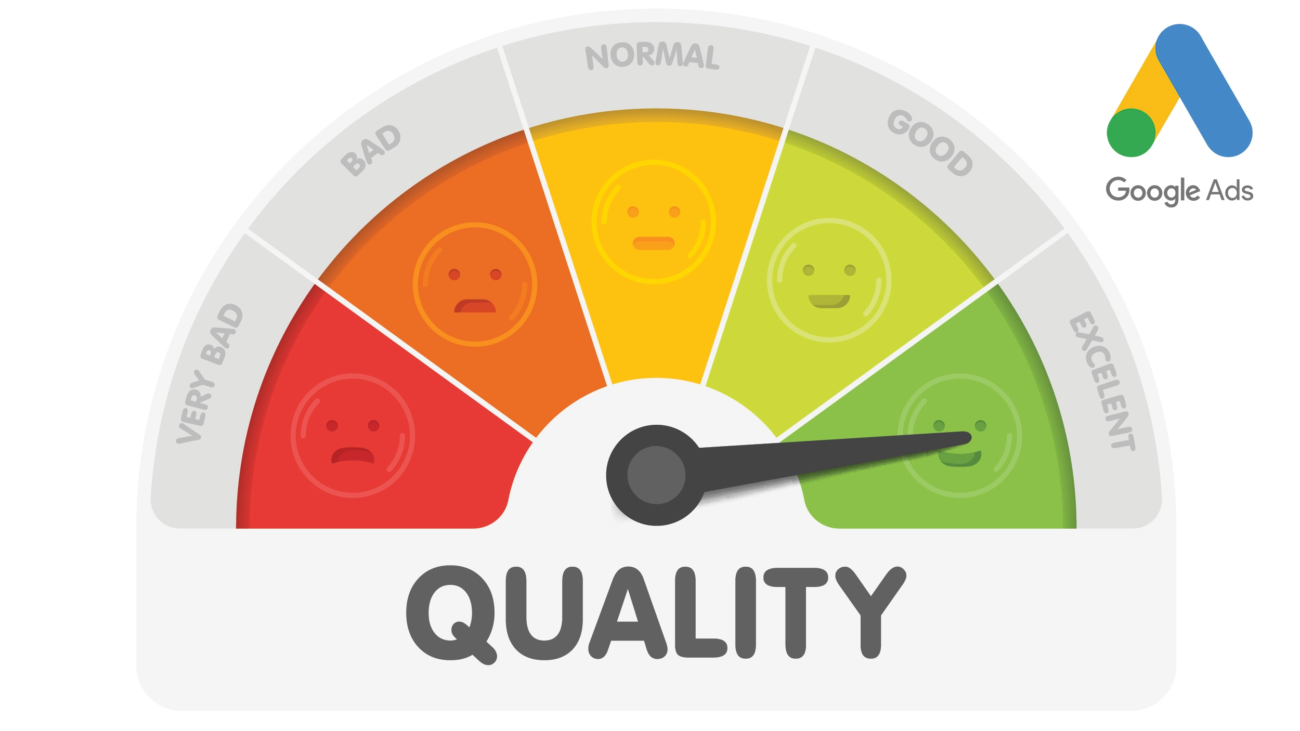
Google Ads Quality Score: How To Improve Your Ads With The Quality Score
The Quality Score is an important metric for the status of your ads. Learn more about the Google Ads Quality Score here.
Key Takeaway – The most important things in brief:
- The Google Ads Quality Score is a key indicator of the quality and effectiveness of your ads, rated on a scale of 1 to 10 and taking the user experience into account.
- The Quality Score is composed of three main components: the expected click-through rate (CTR), ad relevance, and the user experience with the landing page, with each aspect rated from “above average” to “below average.”
- A high Quality Score improves ad positioning, increases cost efficiency, and increases the relevance of keywords and the ads themselves, leading to better campaign performance.
- To improve Quality Score, you should use relevant keywords, optimize ads and landing pages, use ad extensions, and optimize your campaign structure, ultimately leading to a more efficient Google Ads campaign.
Anyone who creates ads through Google Ads should be familiar with the Quality Score. The Google Ads Quality Score provides information about the quality of your Google Ads. Google is trying to better support advertisers in optimizing their ads. Before we explain what these metrics mean, we’ll show you what the Quality Score actually is.
The Google Ads Quality Score
The Quality Score is a value that rates the overall user experience of your ads and landing page from 1 to 10. The higher the value, the better your ad is optimized. Your goal should therefore always be to achieve a value of 10. But what does the Quality Score actually mean? This value is an indicator of whether your ads and landing pages are useful to the user.
You should therefore always keep an eye on the Google Ads Quality Score so that your ads:
- Be optimally positioned
- Your click prices become cheaper
- and the ads are ultimately displayed more often
How is the quality score calculated?
Three components are used to calculate the quality factor:
- CTR (estimated click-through rate): This value tells you how likely it is that users will click on your ad when it is shown to them.
- Ad relevance: Here you can see how well your ad matches the user’s search intent.
- Landing page user experience: This metric shows you how relevant and helpful your landing page is for users who click on your ad.
Each of the three components is assigned a status: “Above Average,” “Average,” and “Below Average.” Google Ads is always a competitive environment. For this reason, the Quality Score assessment is based on a comparison with other advertisers whose ads were delivered for the same keyword in the last 90 days.
Where can you find the quality factor?
- Sign in to your Google Ads account.
- Now select the Keywords option in the menu on the left.
- Now you have to click on the column symbol in the table.
- Under “Customize Columns for Keywords,” you’ll find the Quality Score section. If you want to view the current Quality Score and the status of individual components, you can add a statistics table or several of the following columns:
- Quality factor
- User experience with the landing page
- Expected CTR
- Ad relevance
- It’s also possible to view previous quality factors for a reporting period. Simply select one or more of the following metrics:
- Quality factor (history)
- User experience with the landing page (history)
- Ad relevance (history)
- Expected CTR (history)
- Finally, click “Apply.”
(Source: google.com )
Why you should pay attention to your quality factor
Quality Score is an important aspect of your Google Ads campaign that you should check regularly. Here are some reasons why it’s important:
- Ad Position: The Quality Score influences the positioning of your ads in search results. Higher quality leads to better positioning, which translates to greater visibility and click-through potential for your ads.
- Cost efficiency: A high Quality Score allows you to achieve better positions at a lower cost. Google rewards relevant and high-quality ads with lower cost per click (CPC), leading to better campaign profitability.
- Keyword Relevance: Quality Score considers the relevance of the keywords you use in your ads and on your landing pages. Checking Quality Score helps you ensure your keywords align with your ads and landing page, which can lead to a higher conversion rate.
- Ad Relevance: Quality Score also evaluates the relevance of your ads themselves. Check Quality Score to ensure your ads are well-written, engaging, and relevant to your audience.
- Account Optimization: Checking Quality Score allows you to identify weak points in your ads and keywords. By optimizing Quality Score, you can improve your ads and keywords for better results.
In summary, regularly checking the Quality Score in your Google Ads campaign will help improve the performance of your ads, increase visibility, reduce costs, and ultimately achieve better profitability.
7 tips to improve your Google Ads Quality Score
There are several steps you can take to improve your Google Ads Quality Score. Here are some tips to help you improve your ads’ Quality Score:
1. Use relevant keywords. Use relevant keywords in your ad groups that align well with users’ search intent. Make sure the keywords are closely linked to your ads and landing pages.
2. Optimize your ads: Write compelling ads with a clear connection to your keywords. Use the keywords in the ad title and ad copy to increase relevance. Also, make sure to include a clear call to action to increase click-through rates.
3. Landing Page Optimization: Ensure your ad landing pages offer relevant content and a good user experience. The landing pages should deliver on the ad promises and provide users with the information they’re looking for.
4. High usability: Optimize the loading times of your landing pages to ensure a fast and smooth user experience. A fast website not only improves your Quality Score but also your conversion rate.
5. Use ad extensions: Use ad extensions like sitelinks, call extensions, or location extensions to provide additional information and options for action. This increases the relevance of your ads and improves click-through rates.
6. Exclude keywords: Exclude keywords to exclude irrelevant search queries and display your ads only for relevant searches. This increases click-through rates and reduces costs.
7. Optimize your campaign structure: Carefully structure your campaigns and ad groups to group relevant ads and keywords. A well-organized campaign structure facilitates ad optimization and increases relevance.
By implementing these measures and continuously monitoring your Quality Score, you can improve the performance of your Google Ads campaign and save costs.
The Quality Score is not everything
Of course, you can optimize your ads outside of the Google Ads Quality Score, although you should always keep an eye on it. However, if you use the tips above to optimize your ads, you’ll be on the safe side.
With all these measures in mind, expert advice can’t hurt. If you need help optimizing your ads or setting up your Google Ads, we’re happy to help as a certified Google Ads agency based in Hanover.