
In an increasingly information-driven world, memory, focus, and cognitive clarity are more important than ever. Whether you’re a student preparing for exams, a professional looking to enhance productivity, or someone simply keen to maintain sharp mental function, optimizing brain performance is a universal priority.
One approach gaining attention in neuroscience, wellness, and productivity communities is gamma brainwave stimulation — especially as a natural memory booster. This article explores what gamma brainwaves are, how they relate to memory and cognition, what science says about gamma entrainment, and practical ways to potentially enhance your memory using gamma rhythms.
Table of Contents
What Are Gamma Brainwaves?
How Brainwaves Relate to Cognition and Memory
The Science Behind Gamma Brainwave Stimulation
Gamma Brainwaves vs Other Brainwave Types
Memory Booster Gamma Brainwave Techniques
Benefits of Gamma Brainwave Enhancement
Limitations and Scientific Debate
How to Safely Use Gamma Brainwave Practices
Real-World Applications
Frequently Asked Questions
Conclusion
What Are Gamma Brainwaves?
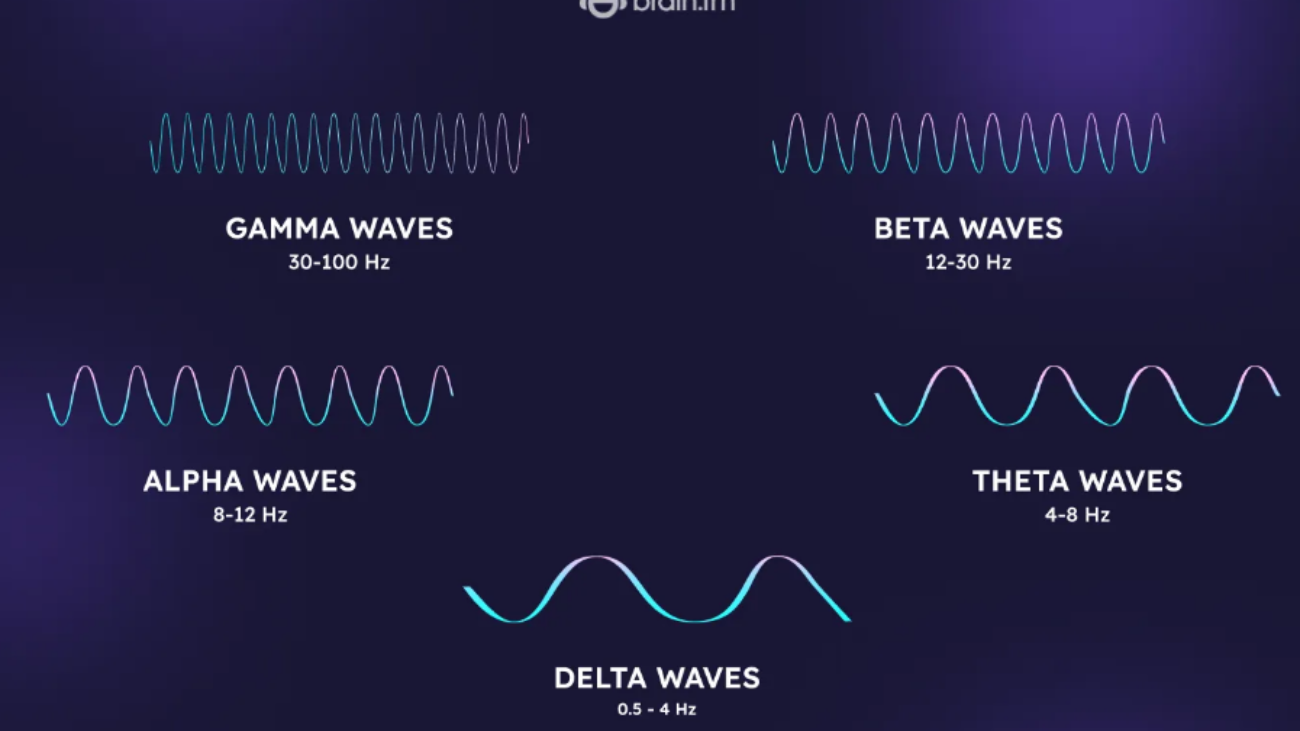
Gamma brainwaves are the fastest electrical rhythms produced by the brain, typically ranging from approximately 30 to over 100 Hz. These high-frequency oscillations occur when many neurons fire in synchrony, and are often associated with heightened cognitive processes.
Unlike slower brainwave types — such as alpha (relaxation) or theta (light meditation) — gamma waves are linked with high focus, memory encoding, learning, and information processing.
Researchers have observed gamma activity during peak mental states — for example, when solving complex problems or engaging in deep concentration.
How Brainwaves Relate to Cognition and Memory
To understand why gamma brainwaves are increasingly viewed as memory-boosting, it’s important to recognize how brainwaves connect to cognitive function:
Brainwaves are electrical signals produced as neurons communicate.
Different frequency bands correlate with different mental states — from deep sleep (delta) to intense focus (gamma).
Fast brainwaves like gamma are associated with complex processing, working memory, and attention.
Studies have shown that people with higher levels of gamma wave activity tend to:
Perform better on memory recall tasks
Demonstrate greater sustained focus
Show higher information integration and problem-solving ability
This connection is one reason gamma waves are at the center of many memory enhancement approaches.
The Science Behind Gamma Brainwave Stimulation
Brainwave Entrainment and Memory
Brainwave entrainment — also known as neural entrainment — is the process of synchronizing the brain’s electrical activity with an external rhythmic stimulus, such as sound or light.
This is the foundation for many gamma-focused memory stimulation techniques. For example:
Binaural beats — where two slightly different tones are presented to each ear produce the perception of a third frequency in the brain.
Isochronic tones — single tones that pulse at specific intervals without the need for headphones.
Both methods aim to prompt the brain’s electrical rhythms to shift toward a targeted frequency — in this case, gamma frequencies around 30–40 Hz or above.
Some pilot studies suggest that stimulating at a gamma frequency (specifically 40 Hz) may enhance certain cognitive functions. For example, research has shown improvement in memory scores after sessions involving 40 Hz entrainment, indicating potential for memory support when properly administered.
Gamma and Neural Health
Emerging research has explored gamma rhythm stimulation for neurological health, including studies on memory, cognition, and even neurodegenerative conditions. A decade of work — including animal and human research — suggests gamma stimulation at specific frequencies could influence brain physiology in ways that support neural function.
While many of these findings are still preliminary and under active investigation, they provide a scientific foundation for the idea that gamma waves play a functional role in memory and cognition.
Gamma Brainwaves vs Other Brainwave Types
Understanding gamma waves is easier when seen in context with other brainwave bands:
| Brainwave Type | Frequency | Typical Function |
|---|---|---|
| Delta | ~0.5–4 Hz | Deep sleep, rejuvenation |
| Theta | ~4–8 Hz | Relaxation, meditation |
| Alpha | ~8–12 Hz | Calm awareness, readiness |
| Beta | ~12–30 Hz | Active thinking, focus |
| Gamma | 30–100+ Hz | High cognition, memory, insight |
Gamma waves are unique in their high frequency and are often linked with peak mental performance and intensive cognition.
Memory Booster Gamma Brainwave Techniques
There are several approaches people use to engage gamma brainwave activity:
1. Meditation and Mindfulness
While slower waves like alpha and theta commonly emerge during standard meditation, certain advanced mindfulness practices have been associated with increased gamma wave production, especially in long-term practitioners.
2. Auditory Entrainment (Gamma Frequency Sound)
Audio tracks embedded with binaural or isochronic beats at gamma frequencies are perhaps the most popular modern method for attempting to encourage gamma entrainment.
These tracks often:
Play two split frequencies through headphones
Use pulsing tones at ~40 Hz or higher
Are designed to be used daily for cognitive enhancement
These auditory stimuli aim to lead the brain into a gamma-dominant state.
3. Light and Sensory Stimulation
While less common for everyday use, gamma stimulation via light flicker or multisensory systems has been explored in research settings for memory and cognition benefits. Some studies share evidence of improved neural responses through sensory gamma stimulation, though direct translation to consumer tools requires more research.
Benefits of Gamma Brainwave Enhancement
Many people pursue gamma wave optimization with the idea that increased gamma activity may help with:
🧠 Memory Performance
While research results aren’t conclusive across all studies, some show improvements in memory scores and cognitive tasks following gamma frequency stimulation. Improvements have been observed in working memory and recall tasks after controlled gamma entrainment sessions.
💡 Cognitive Clarity and Focus
Gamma waves are associated with states of intense concentration, enabling faster information processing and mental clarity.
🧘 Heightened Awareness
With optimized gamma activity, individuals may experience sharper awareness and better integration of cognitive processes.
Limitations and Scientific Debate
Although promising, gamma brainwave enhancement is still a developing field with mixed research findings.
Inconsistent Cognitive Effects
Some experiments suggest gamma stimulation may not significantly improve all aspects of memory, particularly in healthy adults. For example, certain auditory stimulation at gamma frequencies showed no significant change in long-term verbal memory tasks.
Not a Quick Fix
Brain entrainment effects vary widely among individuals. Factors such as baseline neural activity, frequency alignment, and consistency of use all influence outcomes.
Research Still Emerging
While gamma rhythms are correlated with cognitive performance, establishing direct causal mechanisms — especially outside controlled laboratory environments — remains an ongoing scientific challenge.
How to Safely Use Gamma Brainwave Practices
If you decide to explore gamma wave enhancement techniques:
✔ Start with Short Sessions
Begin with 10–20 minutes per session to avoid overstimulation.
✔ Use Quality Headphones
For binaural beats, good stereo separation enhances frequency perception.
✔ Maintain Consistency
Regular use — rather than one-off listening — may yield better patterns.
✔ Combine with Healthy Habits
Adequate sleep, balanced nutrition, and regular exercise also bolster memory function.
✔ Consult Professionals
Individuals with neurological conditions or epilepsy should seek medical guidance before using brainwave entrainment tools.
Real-World Applications
Gamma wave techniques are used by:
Students seeking better retention during study
Professionals looking for focused productivity
Athletes and performers aiming for peak mental execution
Wellness enthusiasts exploring cognitive health strategies
These practices are not substitutes for traditional learning methods but may serve as complementary tools when used responsibly.
Frequently Asked Questions (FAQs)
What are gamma brainwaves?
Gamma brainwaves are high-frequency electrical rhythms in the brain associated with intense cognitive processing and memory functions.
Can gamma waves improve memory?
Some research indicates gamma stimulation may support memory performance and cognition, especially in structured entrainment sessions.
How do you boost gamma waves?
Common techniques include auditory entrainment, deep concentration practices, and sensory stimulation at ~40 Hz frequencies.
Is gamma stimulation safe?
When practiced with care and moderation, gamma entrainment exercises are generally safe for most people. Consult professionals if you have neurological conditions.
How long does it take to see effects?
Effects vary, and measurable changes usually require regular, consistent practice — not one-time use.
Conclusion
Gamma brainwaves represent one of the most fascinating frontiers of cognitive neuroscience. These high-frequency rhythms play a significant role in memory, focus, and overall cognitive performance. While scientific research continues to evolve and results vary among individuals, techniques like gamma entrainment offer a promising avenue for exploring memory enhancement and mental clarity.
Whether through sound stimulation, deep concentration exercises, or sensory entrainment tools, approaching gamma brainwave optimization with curiosity, consistency, and realistic expectations can help you tap into your cognitive potential.